🌱 Für deutsche Familien im Ausland · for German families abroad

Their little German grows — ten minutes a day.

Wortbeet turns moments you already have — breakfast, bath time, the walk to daycare — into tiny German rituals. You see it working. Your child just hears more Papa- and Mama-Sprache. No screen time for them, no extra hours for you.

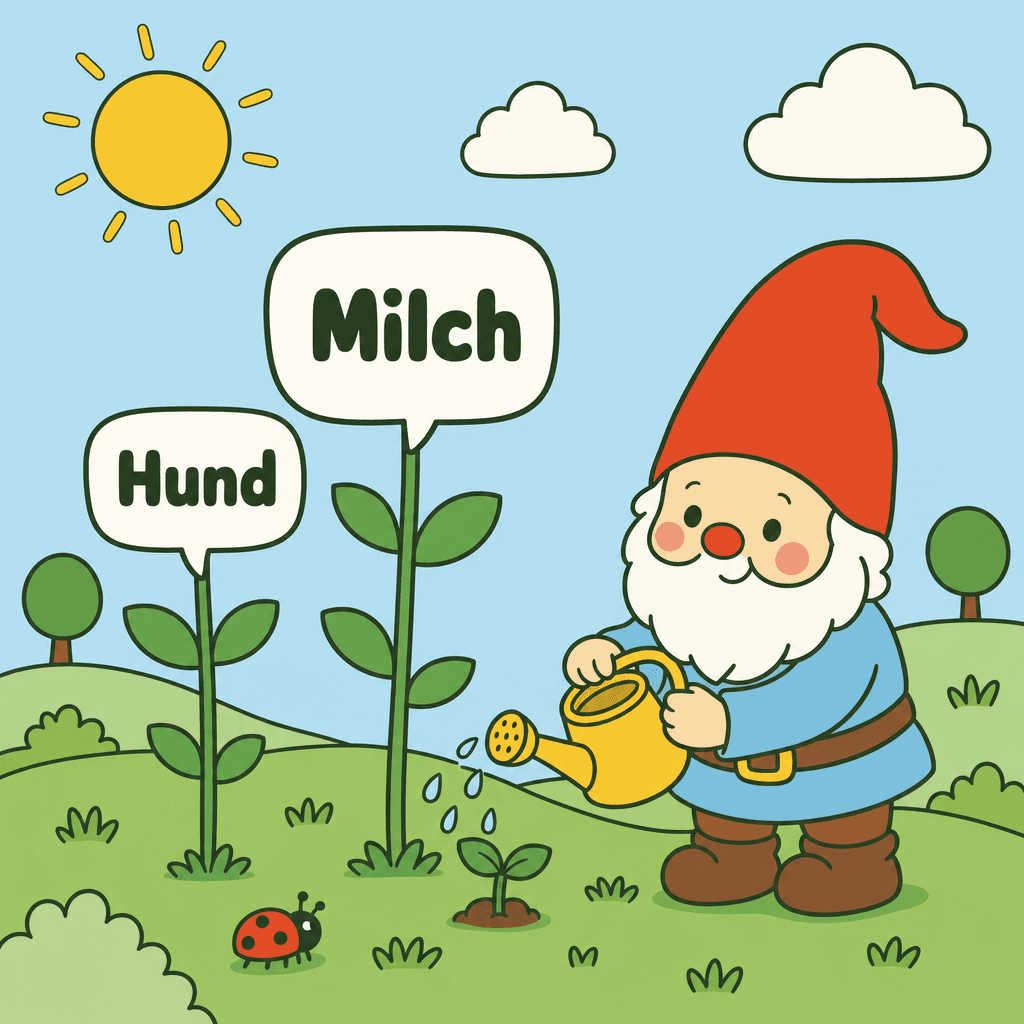
A cheerful garden gnome waters a meadow where plants bloom into speech bubbles holding the German words Hund and Milch
A friendly young Papa dwarf waving hello

Hallo! I’m a German Papa raising a small son far from home, and I’m building Wortbeet because I couldn’t find it anywhere. It’s being made with 20 founding families — maybe yours?

Kommt dir das bekannt vor?

German doesn’t disappear overnight. It drifts away quietly.

Meet the Zwerg family. Their story is every family’s story — it just usually gets noticed a year too late.

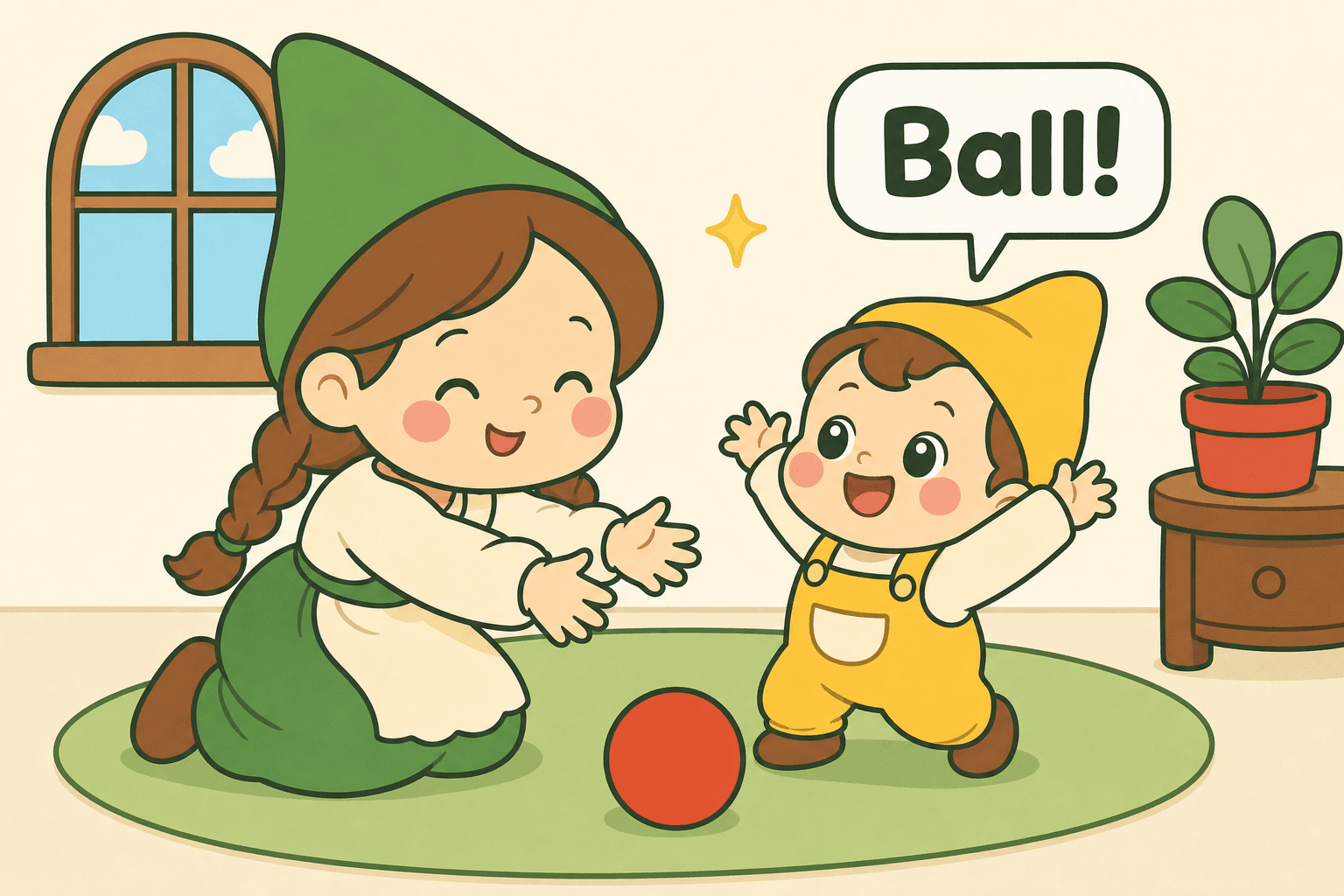
Mama dwarf plays with her toddler at home; the toddler joyfully says “Ball!”
Age 1. First words! Half of them German. Oma cries happy tears on FaceTime.
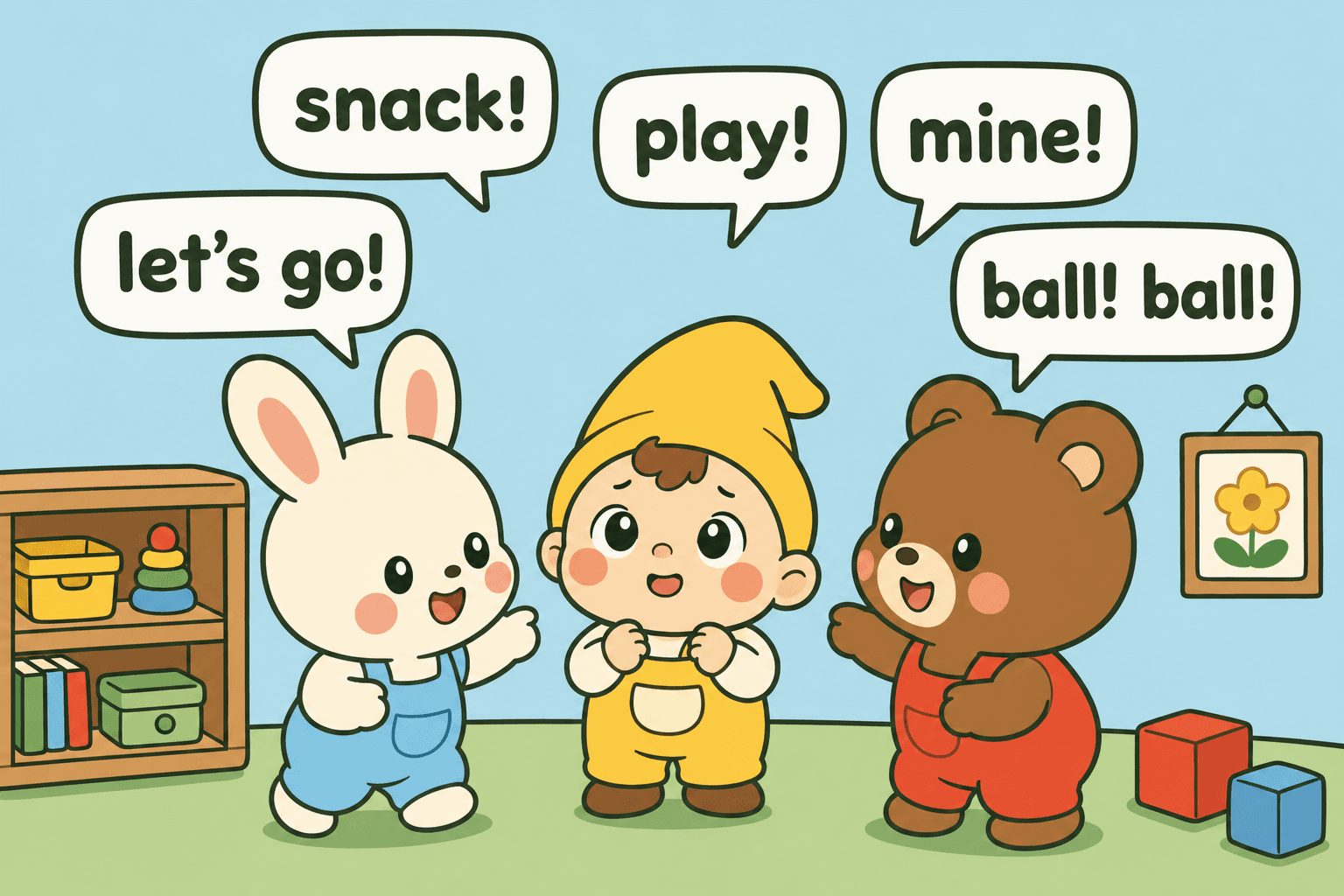
The toddler dwarf at daycare with a bunny and a bear, surrounded by English speech bubbles
Age 2–3. Daycare starts. Forty joyful hours a week — all of them in English.
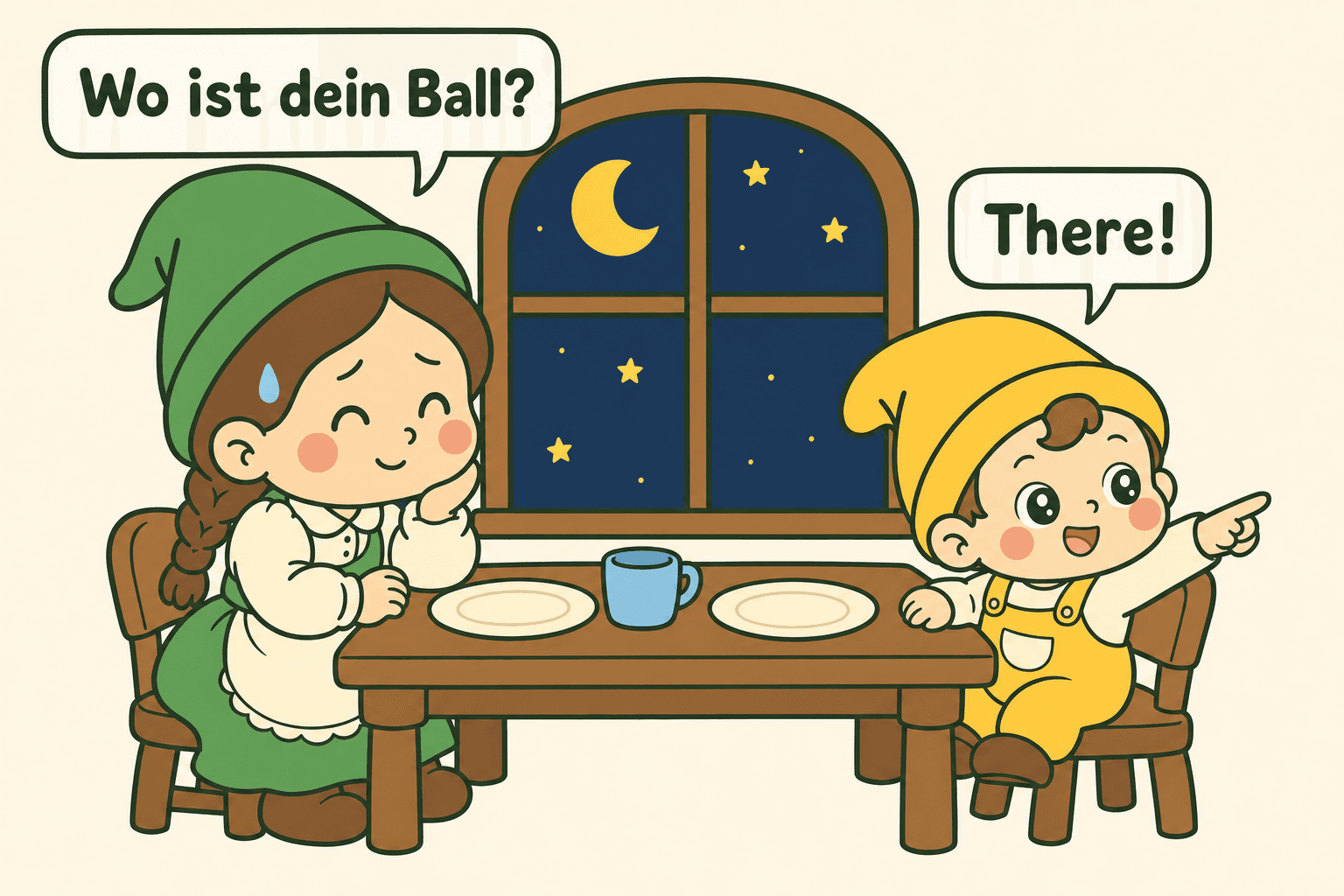
At the dinner table, Mama dwarf asks “Wo ist dein Ball?” — the toddler points and answers “There!”
Age 3½. Understands everything. Answers in English. Every single time.

The families who make it aren’t stricter. They’re just consistent — and they can see it working.

So funktioniert’s

No lessons. No new time. Just your day — auf Deutsch.

Wortbeet lives on your phone, not your child’s. It attaches five-minute German rituals to moments that already happen every day — two or three anchors, and your ten minutes are planted.

1 · Anker wählen

Pick your anchor moments

Breakfast, the buggy ride, bath time, bedtime. Choose two or three moments your family already has — that’s where German will live.

2 · Moment machen

Do today’s little ritual

Each anchor gets one card a day: a tiny activity, the exact phrases with native audio, and a translation line so your partner is in on it too.

3 · Wachsen sehen

Watch the garden grow

Every completed moment feeds your child’s Wortbeet and your weekly report. Consistency you can see — weeks before you hear it.

🛁 Bath time · today’s Moment

Der Wasch-Countdown

≈ 5 minutes · target words: Arm, Bein, Bauch

„Erst waschen wir den Bauch…“
“First we wash the tummy…”
„Und jetzt — der linke Arm!“
“And now — the left arm!”
„Fertig! Alles sauber!“
“Done! All clean!”

Cards written for real life, not classrooms

Every card is a script for a moment you’re living anyway — zero prep, nothing to print, nothing to set up. Native-speaker audio on every phrase, so the words sound like home even on your most tired Tuesday.

Cards adapt to your child’s stage: naming games at one, sentence-finishing at two, story talk at three — and pre-reading when the time comes. The garden grows up with your child.

Fortschritt, sichtbar gemacht

The part nobody else gives you: proof it’s working.

Parents don’t give up on German because they run out of words. They give up because they can’t tell if it’s working. Wortbeet makes progress visible in three ways.

24%

The exposure meter

A running estimate of how much of your child’s week actually happens in German. Drift shows up here weeks before it shows up in their answers — with one concrete suggestion to climb back into the green.

HundWasser

The Wortbeet

Tap a word when your child understands it; it sprouts. Tap again when they say it; it blooms. Counted the way bilingual researchers count — across both languages, with code-mixing treated as the healthy sign it is.

18 mo2 yrsheute

The Sprachtagebuch

One 60-second recording a month. In a year you’ll have the most precious audio file you own: your child’s German voice, growing. (Oma gets sharing rights, obviously.)

Phrase of the day 🌻
„Gut gemacht!“goot geh-MAKHT — “Well done!” Say it at dinner tonight; watch what happens.
wait, they just beamed at me?? 🥹
That’s the face. Tomorrow: „Noch einmal!“ — “One more time!” (Warning: works too well at bedtime.)
Für den anderen Elternteil

The English-speaking parent isn’t a bystander here.

In most families abroad, the moment everyone’s together is the moment German quietly switches off — because one parent is locked out. Wortbeet’s partner mode fixes exactly that: a phrase a day with audio, a translation line on every card, and shared rituals built for both of you.

Research is clear on this one: the minority language survives in families where both parents are on the team — even when only one speaks it.

Limitierte Beete 🌱

Become one of 20 Founding Families

  • Free during the founding phase — you use it, we build around your family.
  • Founding price, locked forever — whatever we charge later, you won’t pay it.
  • A direct line to the founder — your Tuesday-evening frustration becomes next week’s feature.
  • Your family’s name in the garden — a little founding plaque in the app, for keeps.

What we ask in return: use Wortbeet with your child for real — a few moments a week — and tell us honestly what works and what doesn’t.

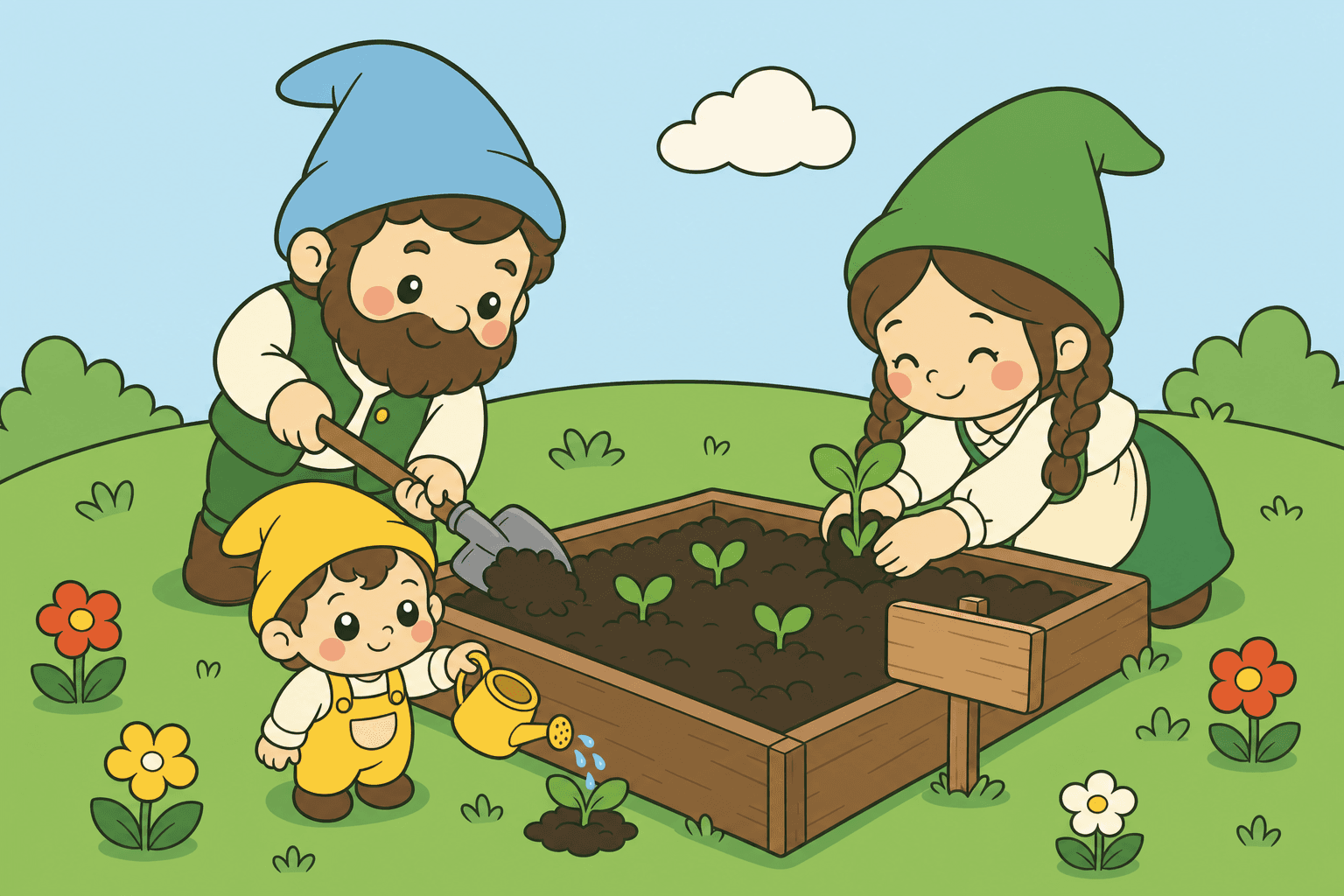
A dwarf family planting seedlings together in their garden bed
Noch Fragen?

Fair questions, honest answers

Is this another screen-time app for my toddler?

No — and that’s the whole point. Wortbeet lives on your phone. Your child experiences rituals, songs and your voice. The only audio that ever plays out loud is songs and native phrases — never videos, never games for the child.

We already have tonies, KiKA and a bookshelf full of German books. Why this?

Keep all of it — Wortbeet isn’t more content. German families abroad drown in content and starve for consistency. We’re the layer that makes sure German actually happens every day, and shows you that it’s working.

My partner doesn’t speak a word of German. Problem?

The opposite — partner mode is built precisely for them: one phrase a day with audio and phonetics, translations on every card, and shared rituals. The minority language wins in families where both parents play, even if only one speaks.

What ages does it cover?

Built for roughly 0–4 today — the years that decide everything — with stages that grow into pre-reading and early reading (roughly to age 7). German’s friendly spelling makes that stage a genuinely fun one.

We’re not a German family — we speak another language at home.

Tell us in the signup form! Wortbeet is built language-agnostic under the hood, and the mix you select literally decides which language garden we plant next.